Successful releases often gain traction through a broad mix of platforms and strategies. Traditionally reviews were the cornerstone of classical music publicity. A well-placed critique in a respected publication could introduce a piece to new audiences and establish its place in the broader conversation. While reviews remain meaningful, the media landscape around classical music has evolved.
For composers and performers releasing new work in 2026, publicity increasingly means combining traditional press with radio broadcasts, interviews, podcasts, and artist-driven digital content.
Conversations That Reach The Core
For audiences encountering a piece for the first time, hearing directly from the artists can transform a recording from a standalone artifact into part of a larger artistic story.
Podcasts and interviews have become an important complement to traditional press coverage as well. This format gives composers and performers a conversational setting to discuss the ideas behind their work, share their creative process, and provide listeners with context that deepens the listening experience.
Several PARMA artists have connected with podcast hosts and musical curators to share insights on the personal connections to their music and the arts as a whole.
Simeon Morrow regularly invites artists to share their music on his Vienna Live podcast. Similarly, Leah Roseman’s Conversations with Musicians series explores the life and work of a wide variety of artists.
Serenade Magazine casts a spotlight on today’s classical artists in their interview series, showcasing the vibrancy and diversity of the classical music world.
PARMA’s “Inside Story” and “Artist Roundtable” series explores the inner workings and personalities of today’s leading composers and performers and examines the inspirations and processes behind their works.
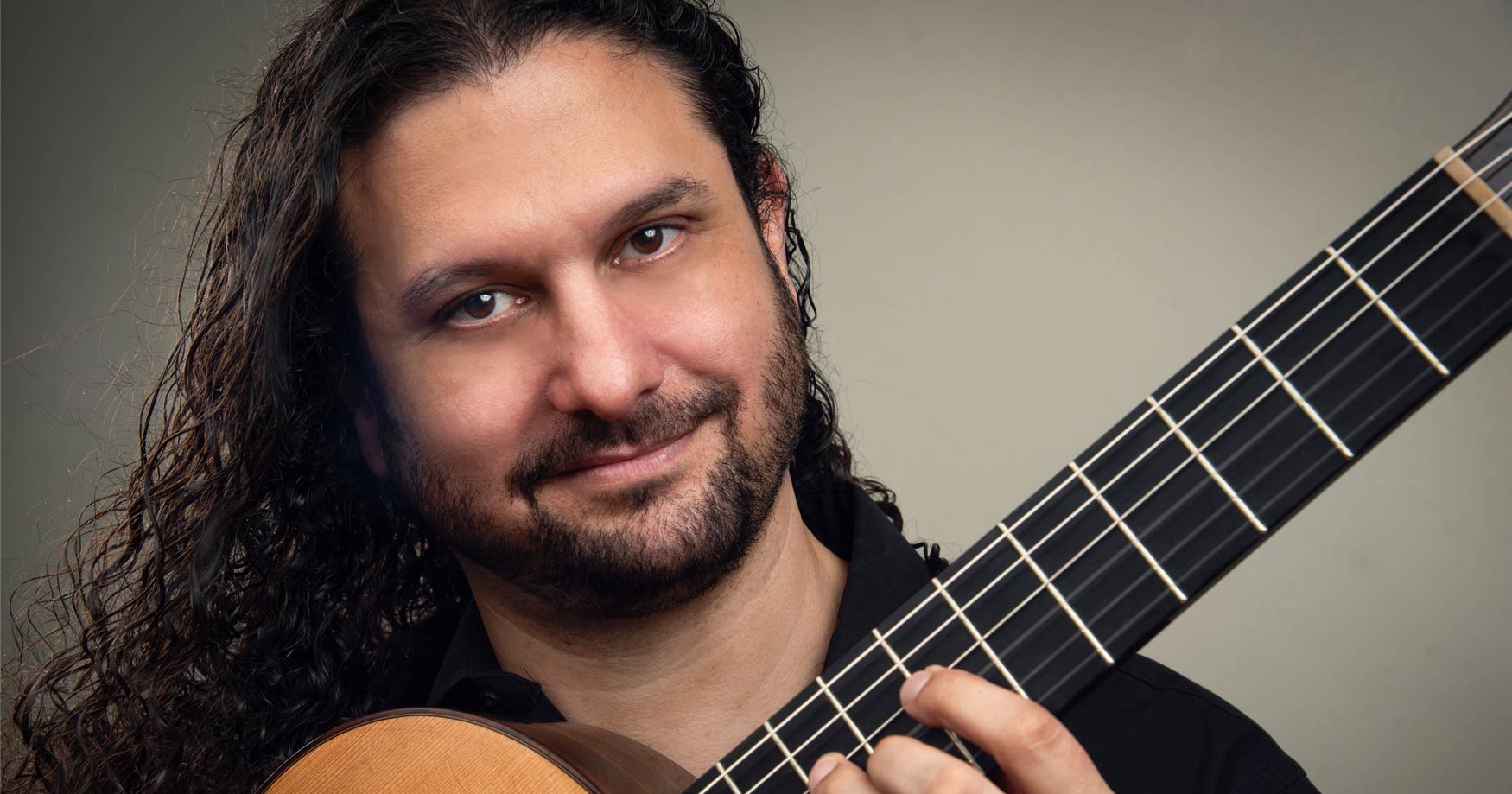
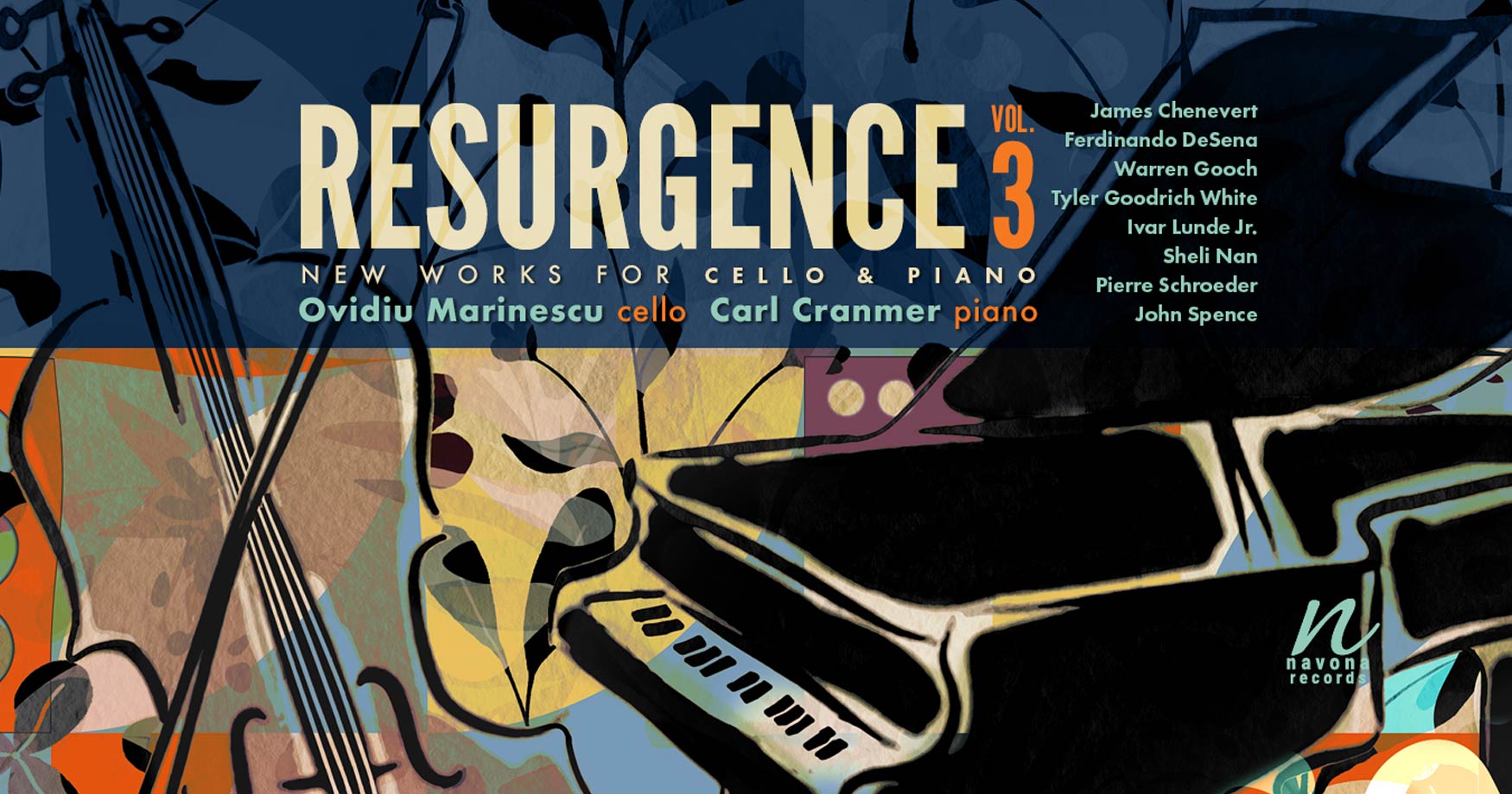
By far, the most important conversation is that which an artist has with their following. Generating and posting thoughtful content that showcases your personality and highlights your work is the most effective way to engage your audience.
Inside Looks at Artist Releases, Produced by PARMA
Digital Storytelling and Artist Visibility
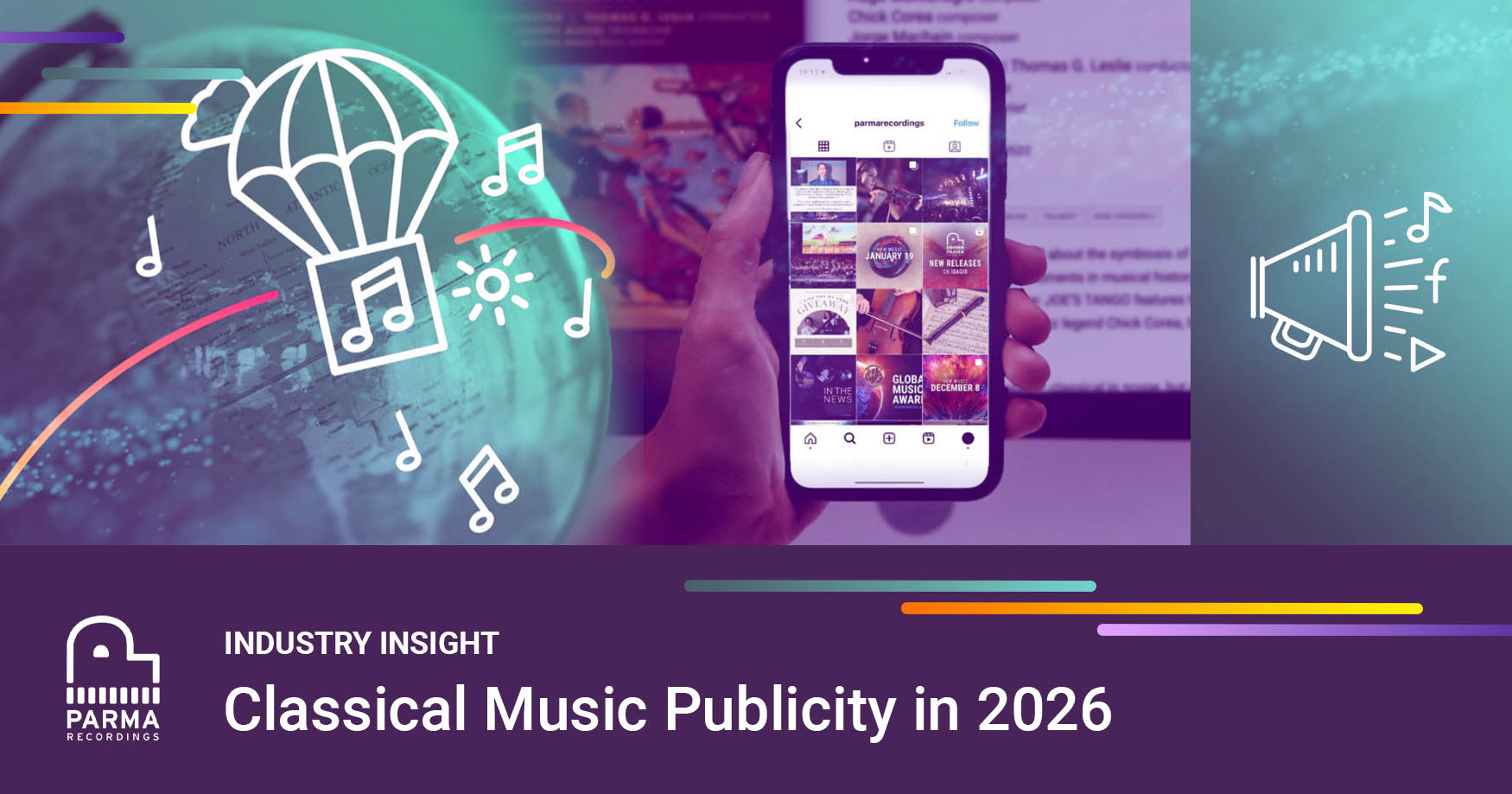
Social media has become a critical extension of classical music publicity. Regularly sharing updates on new works, performances, and recording activity helps build familiarity with listeners and press outlets over time. This kind of consistent presence can generate meaningful engagement, often reaching audiences that traditional media alone cannot. Active social media use gives composers and performers the agency to shape their own narrative while sustaining visibility between formal press moments.
A thoughtful social media presence can also strengthen an artist’s broader publicity profile. For editors and reviewers, visible audience engagement signals that a release is already generating interest. In a crowded field, that momentum can make a project a more compelling candidate for coverage.
View this post on Instagram
View this post on Instagram
Reaching More Ears With Radio
Even in a digital era, radio continues to play a central role in classical music discovery. Specialty programs and syndicated broadcasts regularly introduce audiences to contemporary repertoire and new recordings. Unlike a single printed review, radio airplay can reappear in rotations and curated programs, giving a recording multiple opportunities to reach listeners.
For new music especially, these broadcasts help place unfamiliar works into the listening habits of dedicated classical audiences.
Syndicated Programs
Classical 24 WFMT’s Beethoven Network are each syndicated by more than 200 stations, regularly reaching millions of listeners across the United States.
With a focus on today’s creators, Living Classical with Tyler Kline showcases new and recent recordings across a wide range of styles and approaches, paired with the stories and perspectives that give the music its depth.
Diane Jones’ weekly Feminine Fusion program on WCNY highlights women in the arts throughout history and into the present day who create, perform, and inspire.
A Broader Strategy for New Releases
PARMA’s contemporary publicity strategies increasingly combine traditional press outreach with broadcast media, interviews, and digital storytelling. Each platform contributes a different perspective on a recording, expanding the ways audiences can encounter the music.
In a changing media landscape, the goal remains the same: helping compelling new music find its listeners. Today, that connection happens across more platforms and more conversations than ever before.