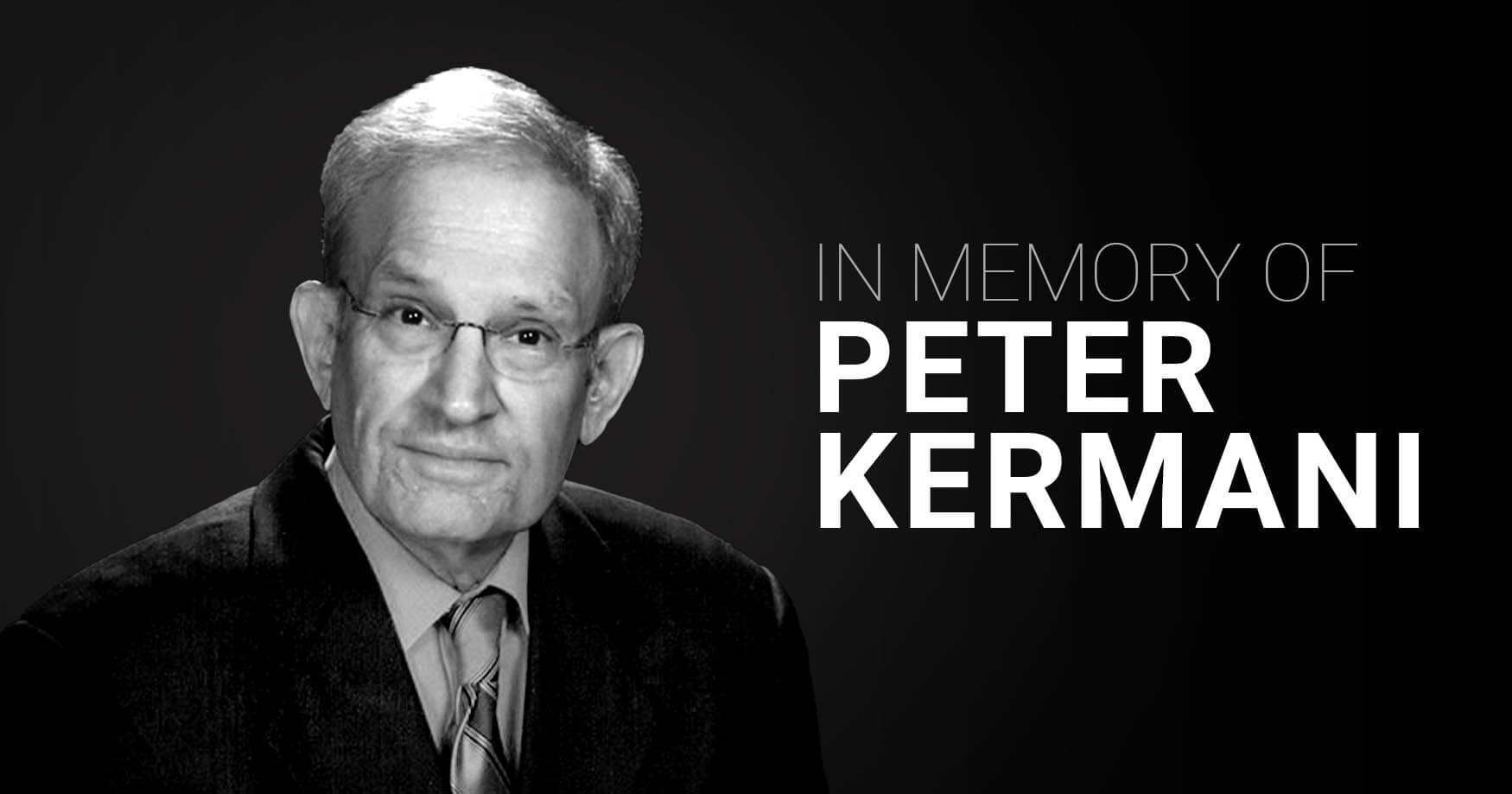
In a centuries old genre, perhaps the most important part of keeping tradition alive isn’t preserving the past, but embracing the exciting unknown. Peter Kermani (1940–2026), co-founder of PARMA’s Albany Records label, followed this philosophy across decades of successful endeavors in classical music, crafting a legacy that has uplifted emerging voices in the arts, and will continue to do so indefinitely.
“Peter led by example, his stalwart advocacy for underrepresented artists and new music was an inspiration to the classical community,” says PARMA CEO Bob Lord.
“We are honored to have worked alongside such an indispensable figure in the arts, and will preserve and advance what he built with Albany Records as a member of the PARMA family.”

Kermani co-founded Albany Records in 1986 with his colleague Susan Bush, and over the course of four decades the label became a driving force in the production of new classical music recordings, releasing thousands of albums across a catalog spanning both historical masterpieces and modern compositions.
“Peter’s knowledge of music was encyclopedic and I can’t think of any other non-professional in the music industry who was so indefatigable in encouraging music of our time,” says Bush.
“There are many composers who have cause to be grateful for his advocacy. Albany Records was unsurpassed in releasing performances of music by African-American composers, by women composers, and the catalog included a substantial body of music by Hispanic composers. He was proud of this legacy.”
Bush and Kermani’s professional relationship began eight years before the founding of Albany Records, during Bush’s tenure as General Manager of the Albany Symphony Orchestra. There, Kermani fulfilled his mission to inspire orchestras and audiences to engage with new music by living composers, serving as President for 25 of his 29 years with the ensemble.
Under Kermani’s leadership and guidance, the Albany Symphony Orchestra embarked on a successful campaign of commissioning, premiering, and recording new classical music by living composers that would earn the ensemble two GRAMMY® awards in 2013 and 2021, both for Best Classical Instrumental Solo, and nominations for Best Classical Vocal Solo in 2016 and Best Contemporary Classical Composition and Best Classical Instrumental Solo in 2020.
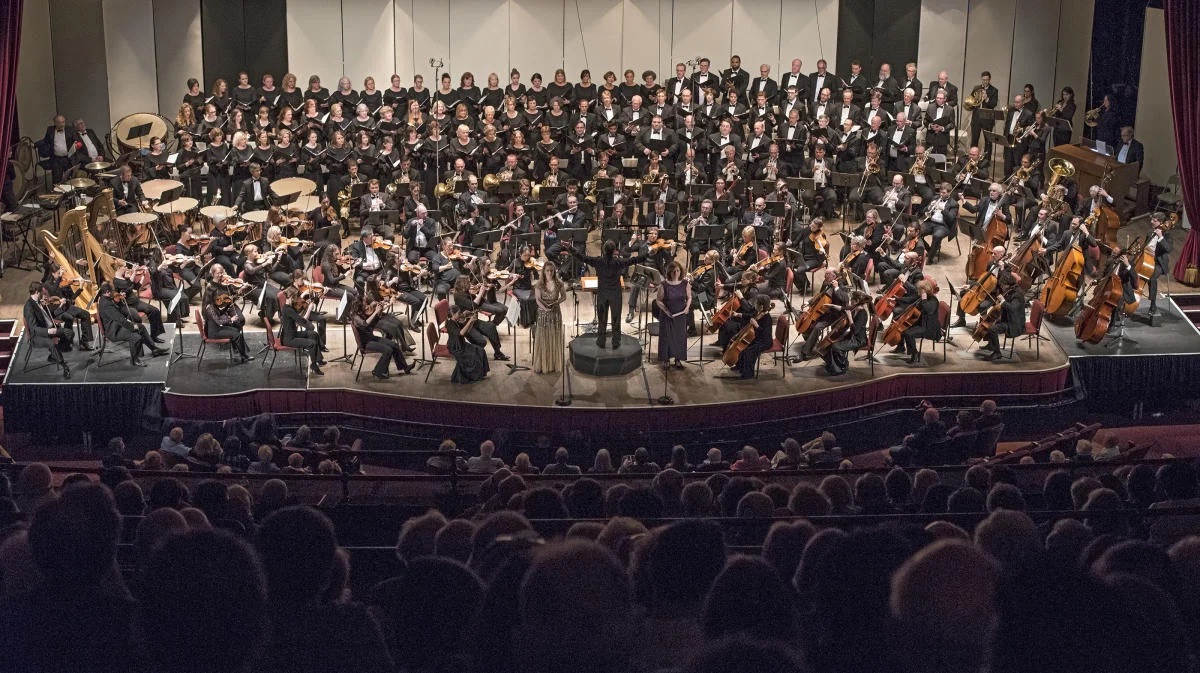
Albany Symphony Orchestra
Kermani’s influence extended well beyond any single institution, extending into national leadership, advocacy, and public discourse. He served on the board of the American Symphony Orchestra League from 1985 to 1992, chairing it for several of those years, and brought the same verve to his roles with the American Composers Orchestra and Composers Recordings Inc., and notably the Rustam K. Kermani Foundation, founded in honor of his late father to fund the commission of new works. Across these posts, he helped establish lasting practices for commissioning, recording, and sustaining new work within orchestral institutions.
A Lifetime of Sustained, Tangible Impact
A steady and persuasive public advocate, Kermani spoke frequently to national audiences on the importance of arts funding, including testimony before a U.S. Senate subcommittee. His leadership drew broader attention as well, including a front-page feature in The Wall Street Journal in 1984 that highlighted both his management approach and the Albany Symphony Orchestra’s growing national profile, evidence of a career defined not only by vision, but by sustained, tangible impact.
Kermani’s work helped ensure that music overlooked by larger commercial institutions could be recorded, distributed, preserved, and heard. Read more about his life and the indelible influence he had on the arts in this article from Times Union.